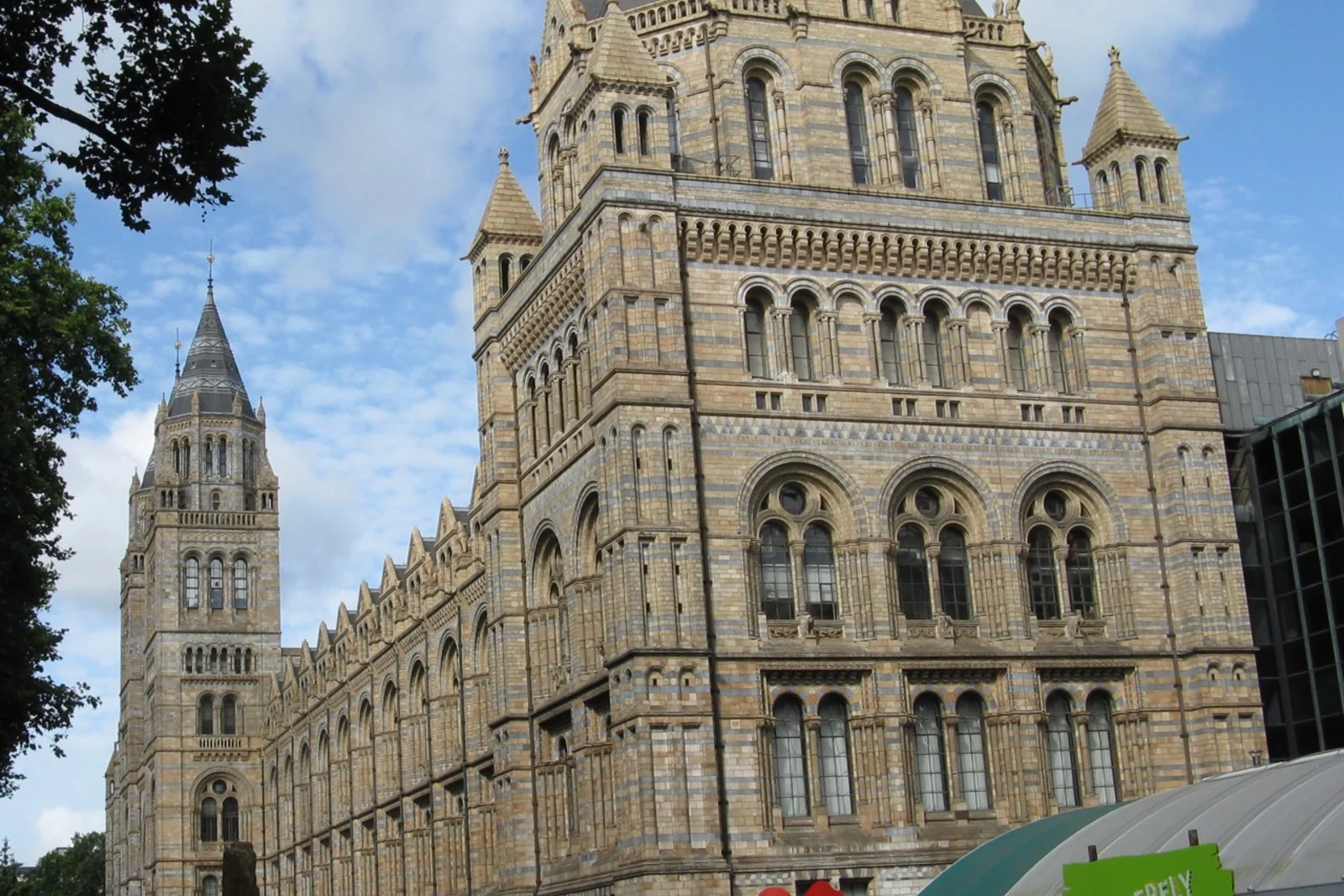
The highlights you came to see
The works are listed in the optimized route order. We recommend following the indicated sequence to minimize walking.
1 · 10 min
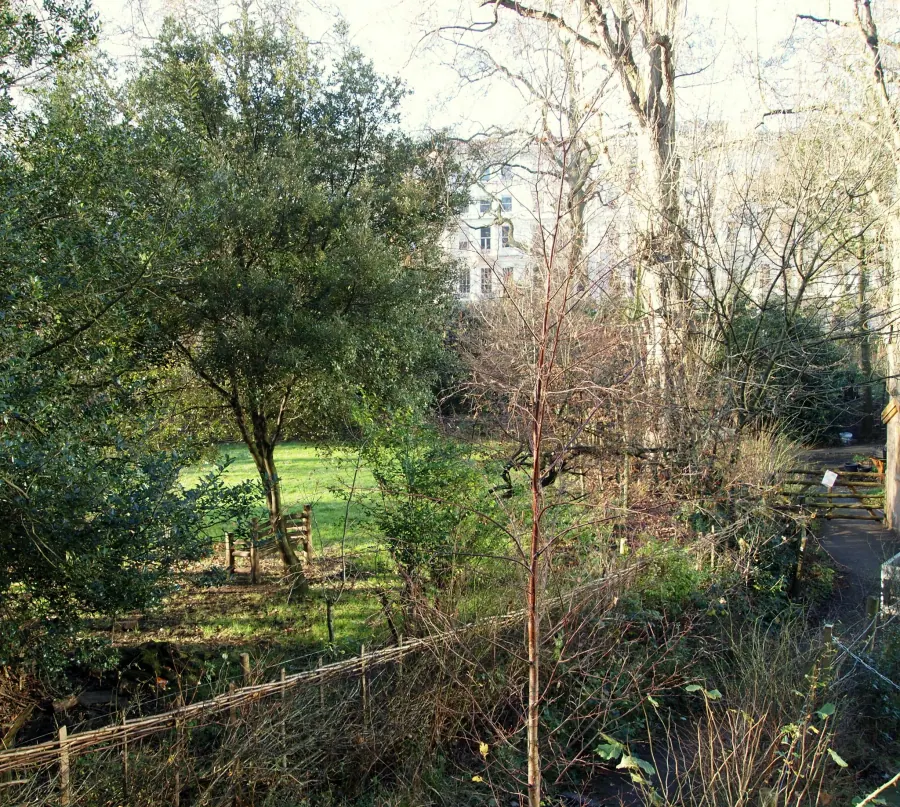
Our Gardens
Our Gardens, Museum grounds
Our Gardens turn the Museum's story of natural history into a living, outdoor sequence. The Evolution Garden traces change through deep time, while the Nature Discovery Garden shows how grassland, wetland and woodland habitats can support wildlife in the middle of London.
2 · 10 min
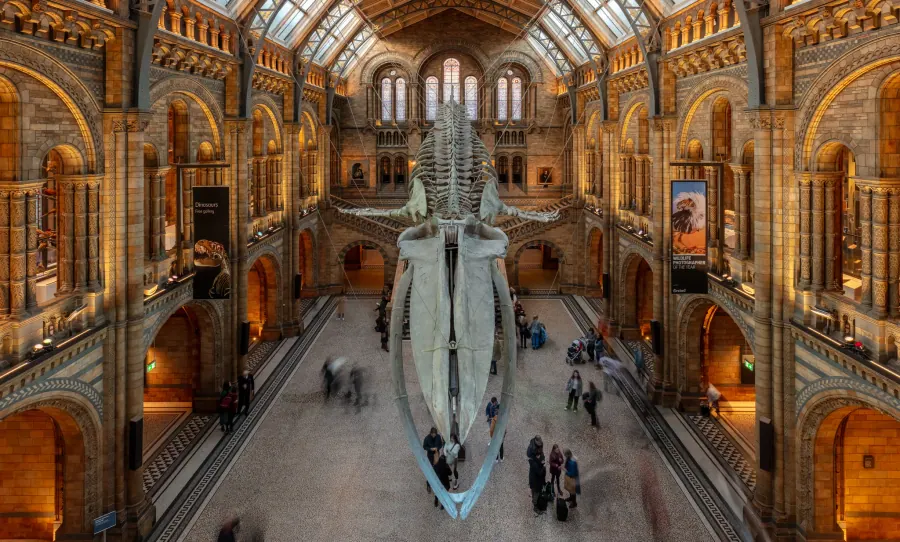
Hope the Blue Whale
Hintze Hall, Central Building
Suspended above Hintze Hall, Hope makes the scale of the largest animal on Earth immediately physical. The 25-metre skeleton also introduces a central museum theme: specimens preserve individual lives while helping us understand the diversity and vulnerability of the natural world.
3 · 10 min
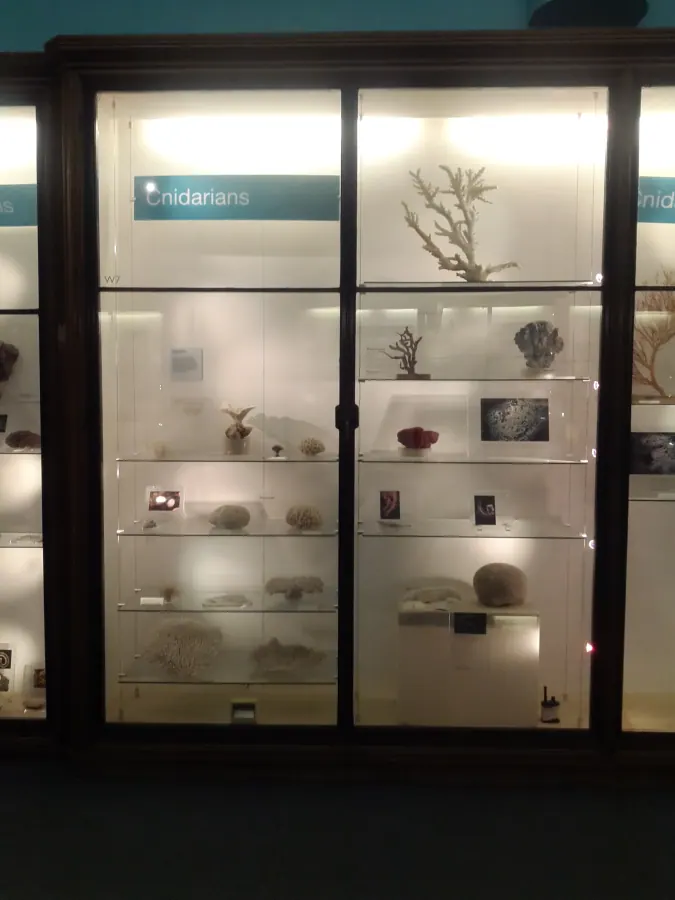
Coral Reef Gallery
Marine Invertebrates Gallery, ground floor, North Wing
Corals reveal a surprising truth about reefs: structures that can resemble stone or plants are built by colonies of tiny animals. In the Marine Invertebrates gallery they sit within a wider survey of ocean life without backbones, from molluscs and starfish to deep-sea species.
4 · 10 min
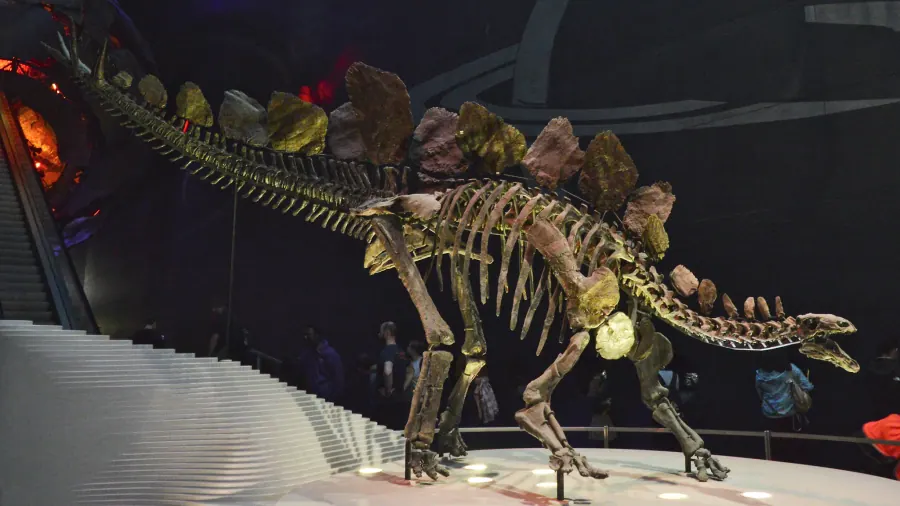
Sophie the Stegosaurus
Earth Hall, ground floor, East Wing
Sophie is one of the most complete Stegosaurus skeletons known, allowing scientists and visitors to examine how the animal’s plates, limbs and defensive tail fitted together instead of reconstructing them from widely scattered individuals.
5 · 10 min
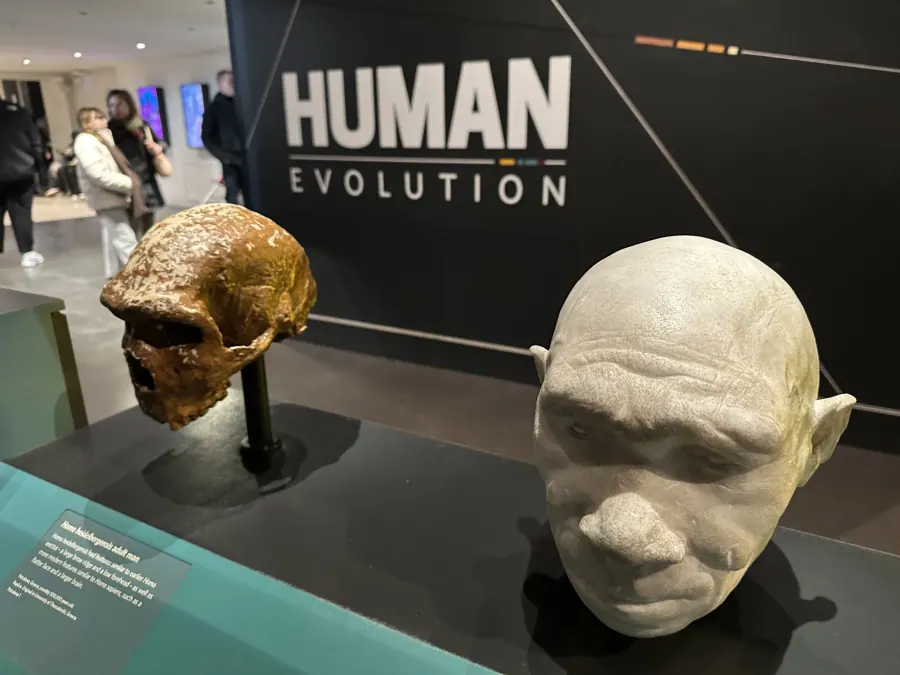
Human Evolution Gallery
Human Evolution Gallery, ground floor, East Wing
The Human Evolution gallery presents our species as one branch of a much larger and more complicated family tree. Fossils, reconstructions and archaeological evidence show that several kinds of human existed, migrated and sometimes shared the world.

6 · 10 min
Earthquake Simulator
Volcanoes and Earthquakes Gallery, second floor, East Wing
The simulator translates an abstract measurement into bodily experience. Modelled on the 1995 Kobe earthquake, it links the motion of Earth's crust to the effects felt inside an everyday setting and opens a discussion about preparedness and safer buildings.
7 · 10 min
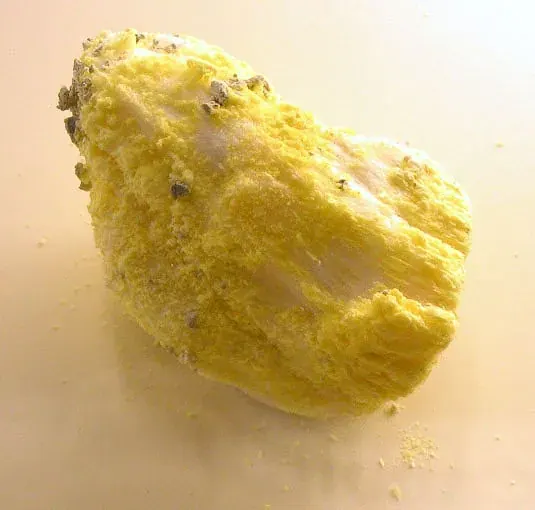
Volcanic Rocks
Volcanoes and Earthquakes Gallery, second floor, East Wing
Volcanic rocks are records of molten material cooling under different conditions. Lava bombs, glass and crystals make processes from deep inside Earth visible at hand scale and show that an eruption can produce far more than a single kind of dark rock.
8 · 10 min
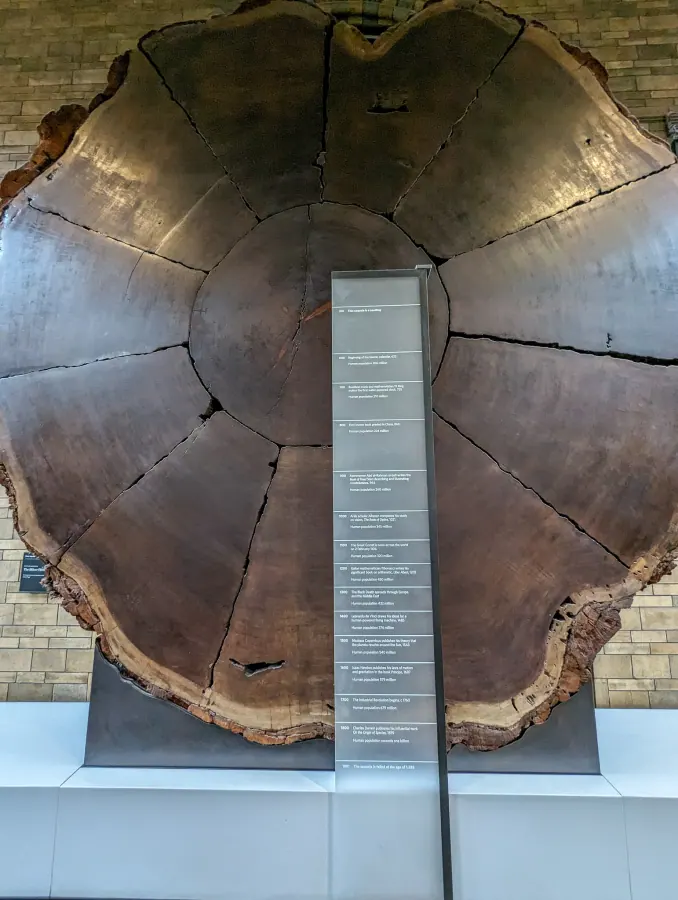
Giant Sequoia Section
Hintze Hall, floor 2, Central Building
This enormous cross-section compresses more than a millennium of growth into one visible surface. The Museum identifies the giant sequoia as 1,341 years old when it was felled in 1891, making its rings both biological structure and a timeline across many human generations.
9 · 10 min
Minerals Gallery
Minerals Gallery, first floor, Central Building
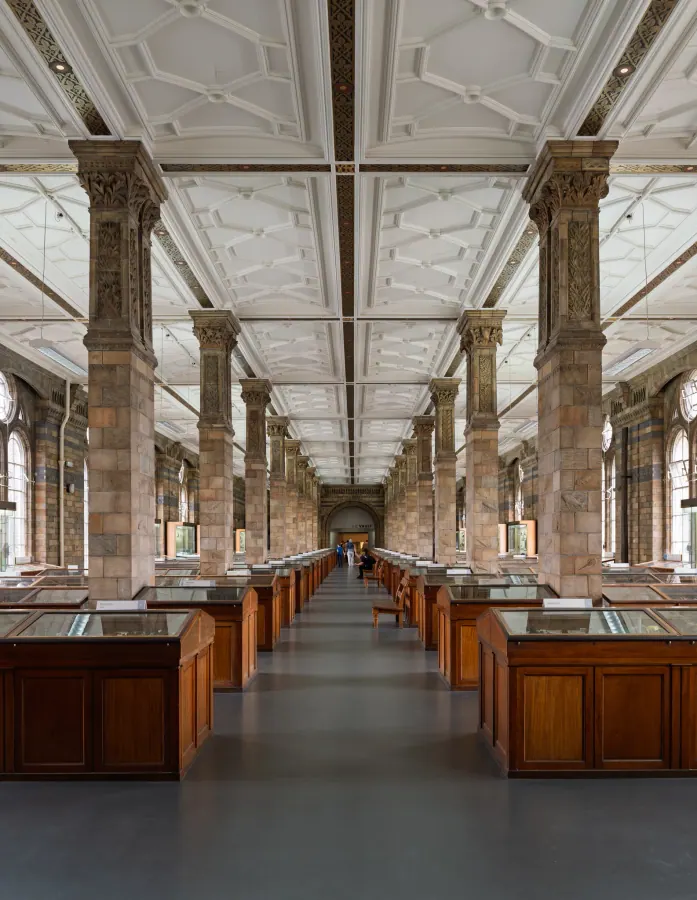
The Minerals gallery brings together natural diversity and museum history. Its original oak cases preserve the character of the Museum's 1881 displays, while the specimens show how chemistry and crystal structure generate striking differences in colour, texture and form.
10 · 10 min
Meteorites Collection
The Vault, first floor, Central Building
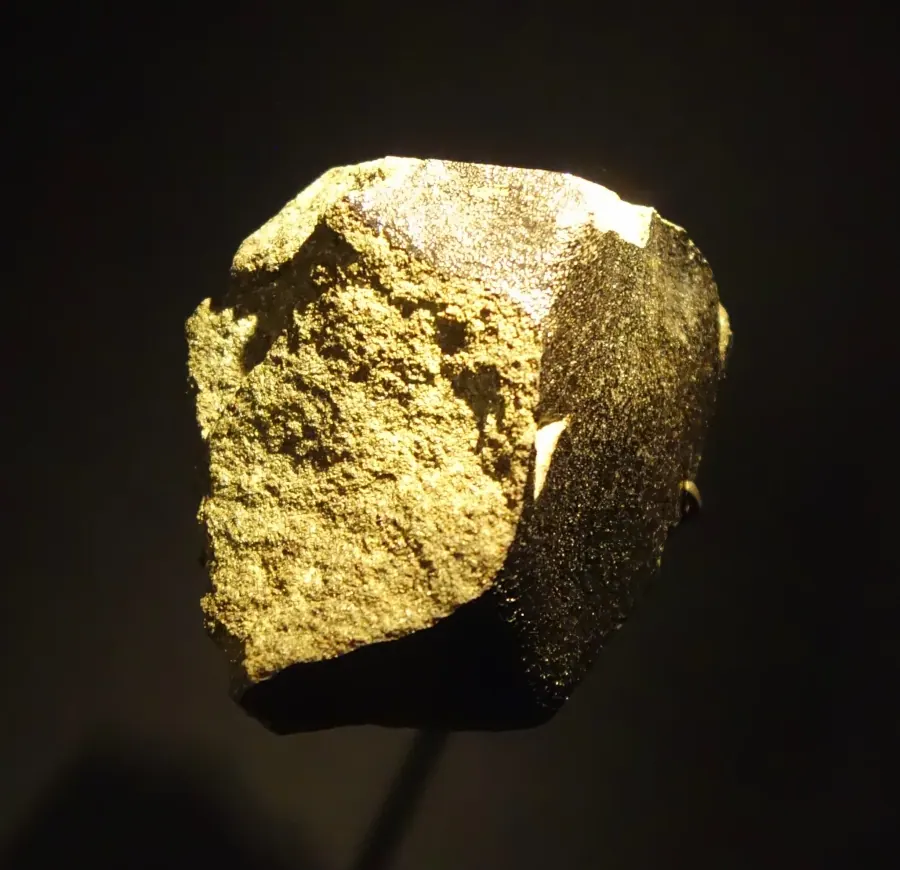
Meteorites place material from beyond Earth within touching distance of ordinary human scale. In and around the Vault, rare specimens preserve evidence about asteroids, planets and the early Solar System that cannot be obtained from terrestrial rocks alone.
11 · 10 min
Archaeopteryx Fossil
Treasures (Cadogan Gallery), first floor, Central Building
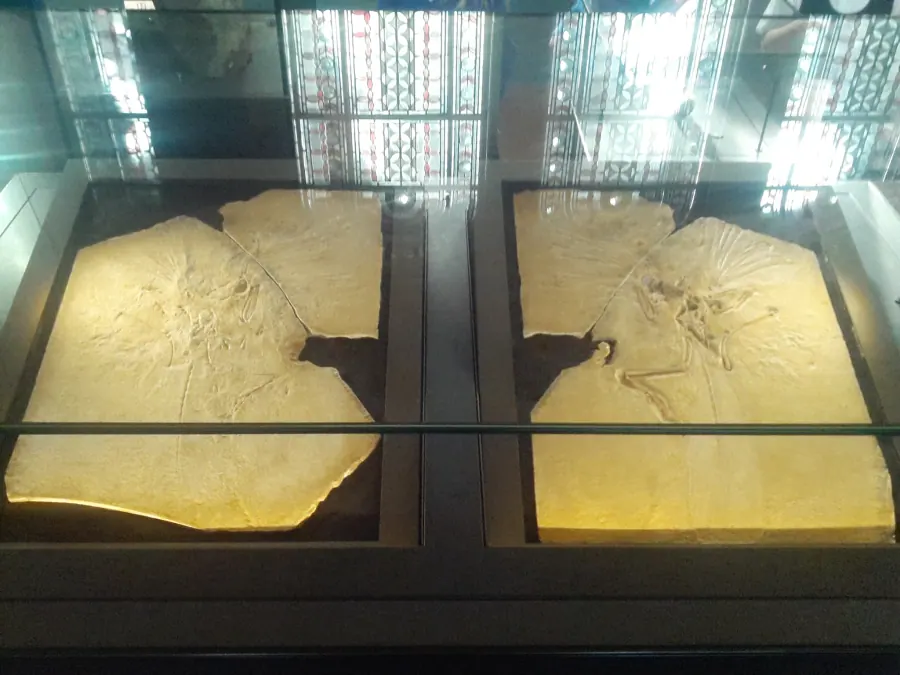
The London Archaeopteryx is one of the fossils that transformed debate about evolution soon after Darwin published On the Origin of Species. About 149–145 million years old, it combines feathered wings with features such as teeth and a long bony tail, complicating any sharp boundary between birds and other dinosaurs.
12 · 10 min
Treasures Gallery
Treasures (Cadogan Gallery), first floor, Central Building
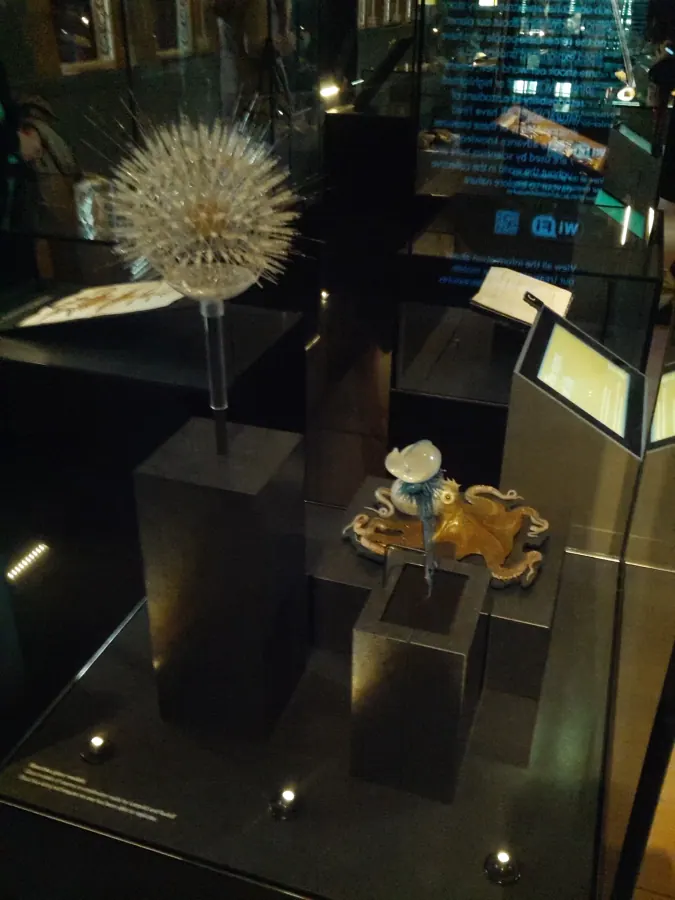
The Cadogan gallery condenses 4.6 billion years of Earth's history into 22 selected objects. A meteorite, Moon rock, dodo material, Darwin's pigeons and Blaschka glass models show that a natural-history collection preserves evidence, human stories and changing scientific ideas together.
2 HOURS · 10 LANGUAGES · OFFLINE
Everything you need for a focused visit
Follow a curated route
Listen to the audio guide
Read descriptions in your language
Audio guide in your language
Works fully offline
Free to use
Available in 10 languages
How it works
- 1Download the guide
- 2Choose your language
- 3Keep track of your progress
- 4Start the 2-hour tour
- 5Follow each stop
- 6Listen and read in your language
NO SIGNAL? NO PROBLEM.
Works completely offline
After purchase, download the audio guide language you need. The route, written descriptions, progress and badges stay available inside the museum.
Frequently asked questions
Is the app free?
Yes. The app is free to download and use for the route and written guide. The audio guide is available as a one-time in-app purchase for 2.99 EUR.
Does it work offline?
Yes. The written guide stays available offline after installation. Audio can be downloaded by language after the 2.99 EUR in-app purchase.
Is it an official museum app?
No. This is an independently created visitor guide and is not affiliated with, endorsed by or sponsored by the museum unless explicitly stated.
How long does the tour take?
The curated route is designed to cover the essential highlights in about two hours, although you can pause or spend longer at any stop.
Do I need internet inside the museum?
No. The content needed for the visit is available offline, so poor reception or unavailable museum Wi-Fi will not interrupt the tour.
Does the app include audio?
Yes. Every stop can include audio. The written guide is free, while audio playback is unlocked with the 2.99 EUR in-app purchase.
Are descriptions and audio available in my language?
Yes. The written descriptions use the language selected in the app. After purchase, you can download the audio guide in any supported language.
Which languages are supported?
The guide supports English, Italian, French, Spanish, German, Portuguese, Dutch, Japanese, Chinese and Korean, including both text and audio.
Natural History Museum
Ready to see the highlights?
Descriptions and audio guide in your language.